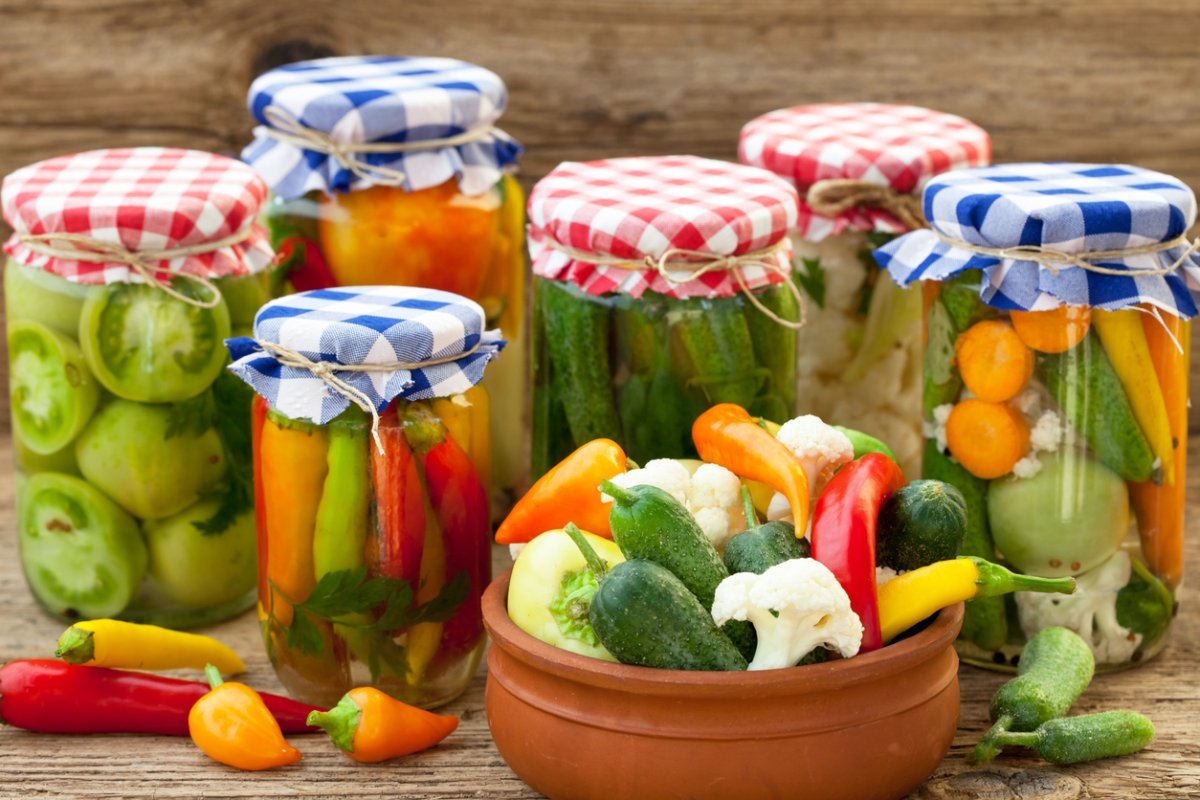
Every productive garden eventually produces the same crisis: it's August, you have more tomatoes than you can eat, the beans are coming in faster than you can pick them, and the zucchini you missed for three days is now the size of a baseball bat. The harvest is the goal. The harvest is also the problem.
Here's how to handle it without losing half of what you grew.
Know Your Method Before You Need It
The worst time to figure out how to can tomatoes is when you have forty pounds of them on your counter. Each preservation method has a learning curve and requires specific equipment. Get familiar with one method before the harvest arrives, not during it.
Freezing: The Fastest and Easiest
Freezing preserves more nutrients than canning and requires less equipment. For most vegetables, it's the right default.
Tomatoes — Core and freeze whole on a sheet pan, then transfer to bags. No blanching needed. Frozen tomatoes are for cooking, not salads — the texture changes completely — but for sauce, soup, and stew they're excellent. The skins slip off easily once thawed.
Beans — Blanch for 3 minutes, cool in ice water, dry completely, freeze in a single layer before bagging. Skipping the blanching step produces mushy beans after six months. The blanch matters.
Herbs — Basil loses its flavor when frozen unless it's been turned into pesto first. Freeze pesto in ice cube trays and transfer to bags. Hard herbs like thyme, rosemary, and sage can be frozen on the stem and crumbled directly into dishes frozen. Chives and parsley freeze well chopped.
Peppers — Dice or slice, freeze raw on a sheet pan, bag. No blanching needed. Frozen peppers go soft but work perfectly in cooked dishes.
Canning: For Long-Term Storage Without Freezer Space
Canning divides into two categories based on acidity, and the distinction is critical for safety.
Water bath canning works for high-acid foods: tomatoes (with added lemon juice or citric acid), pickles, jams, and fruit. The boiling water temperature is sufficient to kill pathogens in acidic environments. This is the method most home gardeners start with.
Pressure canning is required for low-acid vegetables — beans, corn, carrots, beets without added acid. A pressure canner reaches 240°F, hot enough to destroy botulism spores that water bath temperatures cannot. Do not water bath can green beans. This is not a guideline — it's a safety requirement.
The Ball Blue Book is the standard reference for tested, safe canning recipes. Use tested recipes exactly as written. This is not the place to improvise.
Fermentation: Easier Than It Sounds
Lacto-fermentation requires salt, vegetables, and a jar. No special equipment, no heat processing, no canning. The vegetables ferment in their own brine, creating an acidic environment that preserves them and produces probiotics as a byproduct.
Sauerkraut — shredded cabbage, 2% salt by weight, packed into a jar with a weight to keep it submerged. Ready in one to four weeks depending on temperature. Keeps for months in the refrigerator.
Fermented pickles — whole or sliced cucumbers in a 3.5% salt brine with dill and garlic. Different flavor profile from vinegar pickles — more complex, less sharp. Ready in three to seven days.
The rule with fermentation is keep the vegetables submerged in brine and they'll be fine. Anything that gets exposed to air above the brine can mold. A small zip-lock bag filled with brine makes a simple weight.
Root Cellaring: The Oldest Method
Some crops don't need processing — they just need cool, dark, humid storage. A basement corner in New England is often close enough to root cellar conditions to work.
Winter squash — cure at 80 to 85 degrees for ten days after harvest to harden the skin, then store at 50 to 60 degrees. Butternut stores 3 to 6 months. Delicata, 2 to 3 months.
Potatoes — cure in the dark for two weeks, then store at 38 to 40 degrees with high humidity. Keep them away from apples, which emit ethylene gas that causes premature sprouting.
Onions and garlic — cure until the outer skins are completely papery and dry, then store in mesh bags or braided in a cool, dry location with good airflow. Properly cured storage onions will last 6 to 8 months.
The Most Important Thing
Pick everything on time. The single biggest cause of waste in a productive garden is vegetables that get too large, too ripe, or too tough before they're harvested. Zucchini left three days too long signals the plant to stop producing. Beans that go to seed tell the plant the job is done. Consistent harvesting keeps plants producing longer and keeps what you pick at peak quality.
Whatever you're growing this season — grow it well.